Why Shinobi-Arts?
Shinobi-Arts is a Japan-based media platform dedicated to the real history, culture, philosophy, and legacy of ninja and shinobi. We are researchers, writers, and cultural guides who believe that the true story of the shinobi is more fascinating than any fiction.
Not fiction.
Not stereotypes.
History, spirit, and living heritage.
Our Mission
The word ninja is recognized worldwide. But the real story — the history, philosophy, and cultural depth behind the shinobi — remains largely unknown outside Japan. Our mission is to change that.
We connect global audiences with the authentic legacy of ninja culture through:
- Historical research grounded in primary sources
- Cultural insight from Japan
- Modern storytelling that respects the truth
We go beyond the myth. We go beyond the entertainment. We reveal the Real Ninja.
Why This Site Exists
The ninja is one of the most recognized figures in world culture — and one of the most misunderstood.
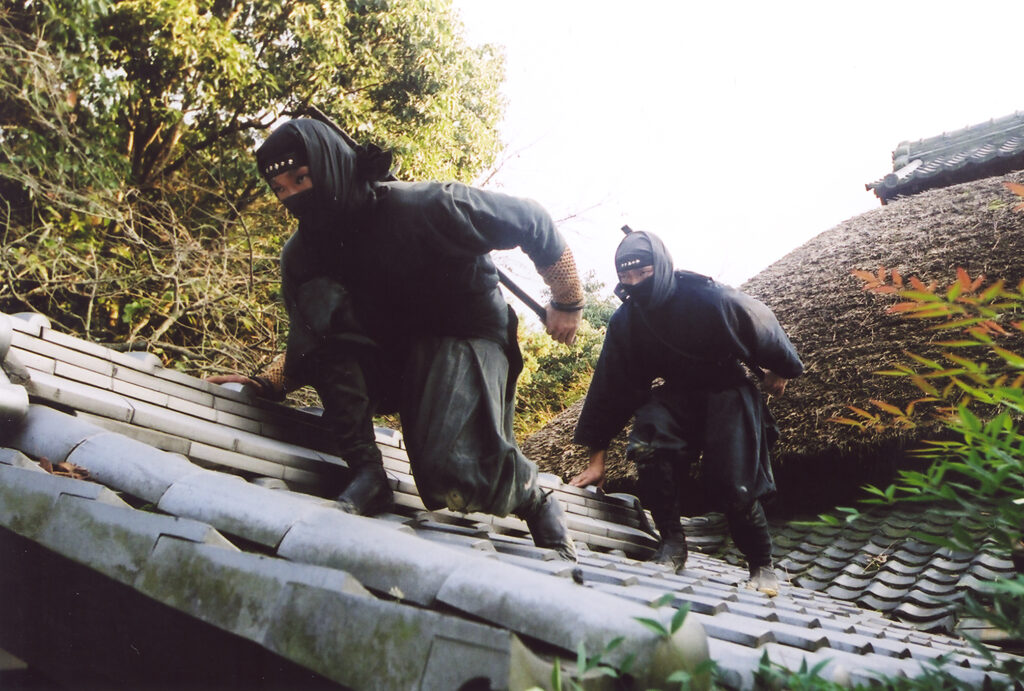
Popular media has transformed the shinobi into a fantasy archetype: a silent assassin in black, a superhuman acrobat, a creature of pure shadow and violence. These images are entertaining. But they bear little resemblance to what the historical record actually shows.
Shinobi Arts exists to close that gap.
This site is built on primary sources — historical manuals written by and for actual shinobi practitioners. It is developed in collaboration with the Iga-ryū Ninja Museum, located in the heartland of Japan’s most celebrated shinobi tradition. And it is guided by a single foundational principle drawn directly from those sources.
The Principle: Seishin
The Bansenshūkai (萬川集海, 1676) is the most comprehensive historical manual of ninjutsu ever compiled. At its very opening — before any technique, strategy, or tool is described — it states:
“The foundation of shinobi is seishin.”
(忍びの源は正心にあり)
Seishin (正心) means “righteous heart” or “correct mind.” It names the moral and inner condition that the Bansenshūkai places above all practical skill. A shinobi without seishin — however technically accomplished — is not a true shinobi. Their abilities serve no legitimate purpose.
This is not a peripheral detail. It is the first thing the text says.
Shinobi Arts takes this seriously. The name of this site, the structure of its content, and the standard it holds itself to are all oriented by the same principle: before technique, before strategy, before spectacle — the righteous heart.
What Makes Us Different
🏯 Based in Japan
We research and write from Japan — the source of authentic ninja history and culture. Access to primary sources, regional archives, and direct cultural connections sets us apart.
📜 Primary Source Research
Our historical content is grounded in original ninja manuals — the Bansenshukai, Shoninki, and Ninpiden — not popular myths or secondhand interpretations.
🌍 Global Perspective
We connect Japanese ninja history with global audiences — making authentic shinobi culture accessible in English for the first time at this depth and scale.
⚔️ Real vs Fiction
We clearly distinguish between historical reality and fictional portrayals — helping readers appreciate both the real shinobi and the legendary ninja.
What You Will Find Here
Shinobi-Arts covers every dimension of ninja history and culture.
🏛️ Ninja History
The real story of the shinobi — famous ninja, clans, battles, and the Sengoku period.
⚔️ Skills & Tools
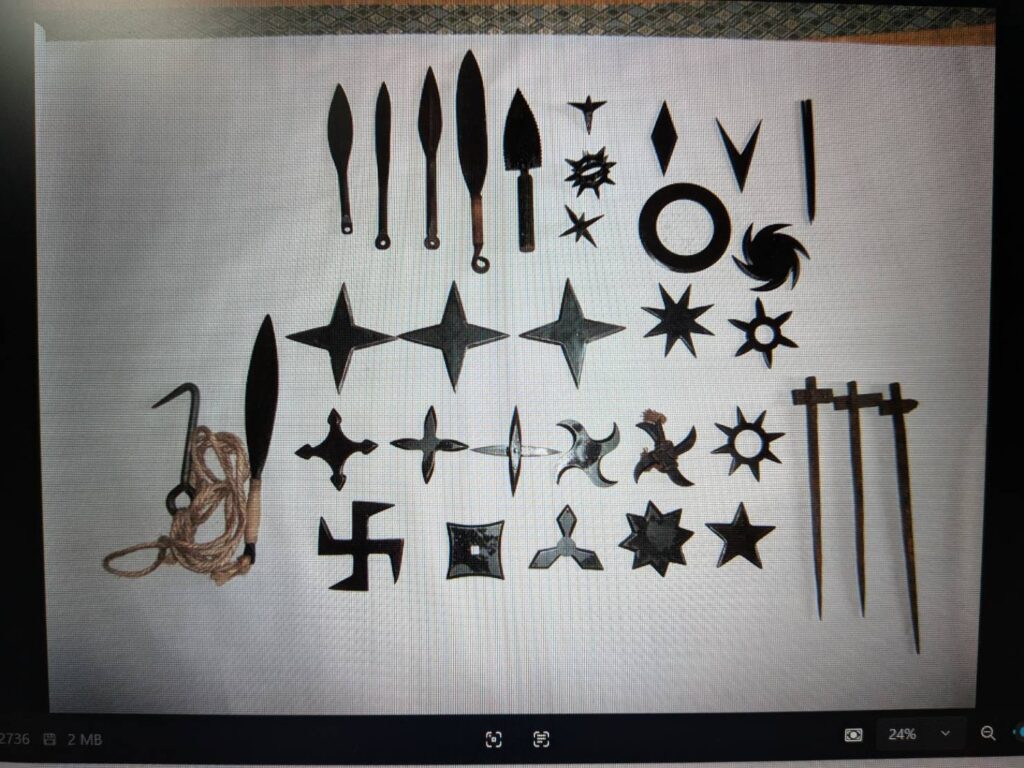
The weapons, techniques, and tactical knowledge of the real shinobi.
📅 Timeline
Follow the evolution of ninja from historical shinobi into global cultural icons.
🌿 Ninja Culture
The philosophy, spirit, and deeper meaning behind the way of the shinobi.
✈️ Travel Japan
Sacred ninja lands — Iga, Koka, museums, and hidden Japan.
🎬 Pop Culture
How ninja became a global phenomenon through anime, manga, movies, and games.
📖 Glossary
Key terms and concepts explained — from shinobi to Bansenshukai.
Our Approach
We believe that understanding ninja requires two things:
Respect for historical truth
Real ninja were intelligence specialists — not supernatural assassins. We ground every article in historical evidence and primary sources.
Appreciation for cultural legacy
The fictional ninja is a fascinating cultural phenomenon in its own right. We explore both worlds — helping readers navigate from entertainment to authentic history.
This is the heart of Shinobi-Arts:
→ From fiction to history.
→ From myth to reality.
→ From legend to truth.
The Foundation: Primary Sources
Everything on this site is grounded in historical evidence.
The Bansenshūkai (1676) is our primary reference — a 22-volume work compiled in Iga by Fujibayashi Yasutake, synthesizing the traditions of multiple shinobi schools. Alongside it, we draw on the Shinobi Hiden (忍秘伝), the Ninpiden (忍秘伝), domain records, and contemporary scholarship in Japanese history.
Where the sources are silent, we say so. Where popular accounts contradict the evidence, we note the discrepancy. This site does not invent tradition — it excavates it.
The Collaboration: Iga-ryū Ninja Museum
Shinobi Arts is developed in partnership with the Iga-ryū Ninja Museum in Iga City, Mie Prefecture — one of the two regions historically associated with elite shinobi practice.
The museum holds original artifacts, documents, and tools from the historical shinobi tradition. This collaboration gives Shinobi Arts access to primary materials and scholarly expertise that shapes the accuracy and depth of this site’s content.
Begin Exploring the Real World of Ninja
Discover how real shinobi lived, survived, gathered intelligence, and became one of the world’s most recognizable cultural symbols.
A Note on Language
Throughout this site, we use the term shinobi (忍び) when referring to historical practitioners, and ninja (忍者) when the context involves popular culture or modern usage. This distinction matters: “ninja” as a compound word became widespread only in the twentieth century. The historical actors called themselves shinobi — and that name carries a different weight.
Similarly, we translate classical Japanese terms carefully, preserving their nuance rather than forcing them into approximate English equivalents. The Glossary exists precisely for this purpose.
Start Here
If you are new to Shinobi Arts, these are good places to begin:
- What Is Seishin? The Righteous Heart of Ninjutsu
- What Is Kokoro? The Heart-Mind in Japanese Thought
- What Is the Bansenshūkai?
- Who Were the Shinobi?
Shinobi Arts — Rooted in history. Guided by seishin.