NINJA HISTORY TIMELINE
Ninja History Timeline: The Evolution of Shinobi in Feudal Japan
Explore the major events, conflicts, manuals, clans, and intelligence operations that shaped the history of shinobi during feudal Japan.
Understanding Shinobi Through Historical Events
The history of shinobi did not emerge in isolation. Ninja developed alongside the political instability, military conflicts, and intelligence warfare that shaped feudal Japan.
During periods of civil war and regional power struggles, daimyo required accurate information, covert communication, and strategic reconnaissance to survive. This environment allowed shinobi to evolve into highly specialized operatives skilled in espionage, infiltration, survival, and intelligence gathering.
Rather than existing as mythical assassins, historical ninja adapted to the realities of unstable warfare and shifting political alliances throughout Japanese history.
By exploring the major periods, conflicts, manuals, and regional networks connected to shinobi, it becomes possible to understand how ninja evolved from covert agents into one of the most enduring symbols of Japanese history.
Major Periods in Ninja History
Explore the major historical eras that shaped the development of shinobi, intelligence warfare, and covert operations throughout feudal Japan.
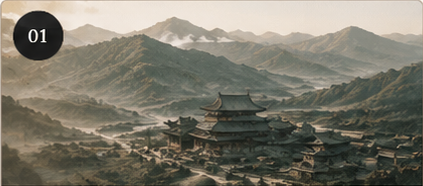
Heian Period Origins
The earliest foundations of shinobi activity can be traced back to the Heian period, when scouts, covert messengers, and intelligence gatherers were used during political conflicts and regional unrest.
Although organized ninja clans did not yet exist, many of the survival skills, reconnaissance methods, and espionage techniques associated with later shinobi began to emerge during this era.
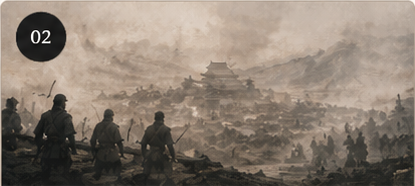
Kamakura & Muromachi Period
As military governments expanded during the Kamakura and Muromachi periods, regional warfare increased across Japan. Intelligence gathering and covert tactics became increasingly important for military leaders and rival factions.
During this time, early forms of infiltration, strategic scouting, and hidden communication developed further, laying the foundation for later Sengoku-era shinobi operations.
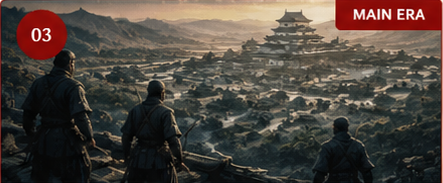
Sengoku Period
The Sengoku period was the most important era in ninja history. Constant civil war, shifting alliances, and territorial conflicts created a strong demand for espionage, infiltration, reconnaissance, and covert survival skills.
Shinobi from regions such as Iga and Koka became highly valued for their ability to move secretly, gather intelligence, and operate behind enemy lines during Japan’s age of war.
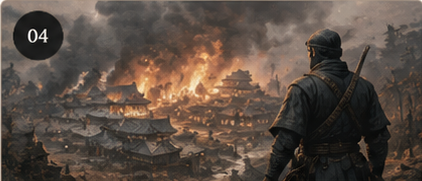
Oda Nobunaga & the Iga Conflict
One of the most significant events in ninja history was the conflict between Oda Nobunaga and the Iga region during the Tensho Iga War.
Nobunaga’s campaigns against Iga dramatically affected the independent shinobi communities that had developed in the mountains. The conflict contributed to the dispersal of many ninja families and reshaped the future of covert warfare in Japan.
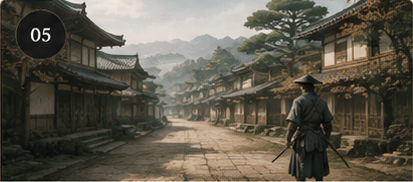
Tokugawa Period
After Japan was unified under the Tokugawa shogunate, large-scale warfare gradually declined. As peace expanded during the Edo period, the military role of shinobi changed significantly.
Some ninja continued to serve as intelligence agents, guards, or officials, while others adapted to civilian life as the demand for covert warfare decreased.
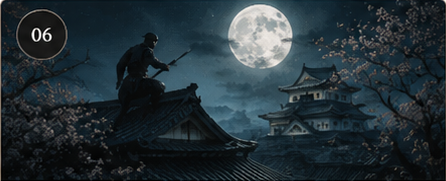
Edo Period — The Decline of Active Ninja
After Japan was unified under the Tokugawa shogunate,
large-scale warfare gradually disappeared.
The demand for battlefield espionage declined, and many
shinobi adapted to civilian or administrative roles.
Ninja traditions were preserved in written manuals such
as the Bansenshukai, ensuring that shinobi knowledge
survived even as active operations faded.
Key Events That Shaped Ninja History
Major political conflicts, military campaigns, and intelligence developments played a critical role in shaping the evolution of shinobi throughout feudal Japan.
These events influenced the rise of covert warfare, the expansion of espionage networks, and the survival strategies used by ninja during periods of instability and civil war.
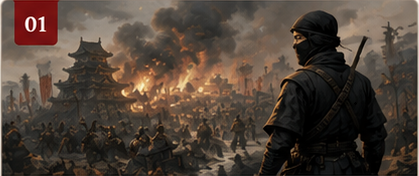
Tensho Iga War
The Tensho Iga War was one of the most significant conflicts in ninja history. Oda Nobunaga launched large-scale military campaigns against the Iga region in an effort to destroy its independent shinobi communities.
The conflict dramatically changed the future of Iga ninja and accelerated the dispersal of many covert networks across Japan.
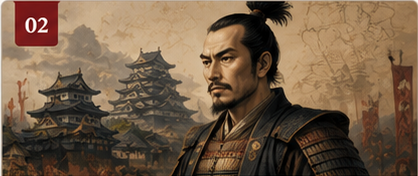
Rise of Oda Nobunaga
Oda Nobunaga’s rise to power transformed warfare during the Sengoku period. His military reforms, territorial expansion, and aggressive campaigns increased the importance of intelligence gathering and covert operations.
As political instability intensified, shinobi became increasingly valuable to rival daimyo throughout Japan.

Tokugawa Unification
After Tokugawa Ieyasu unified Japan, the era of constant civil war gradually came to an end. The demand for battlefield espionage declined as political authority became centralized under the Tokugawa shogunate.
Many shinobi adapted by serving in administrative, security, or intelligence-related roles during the Edo period.

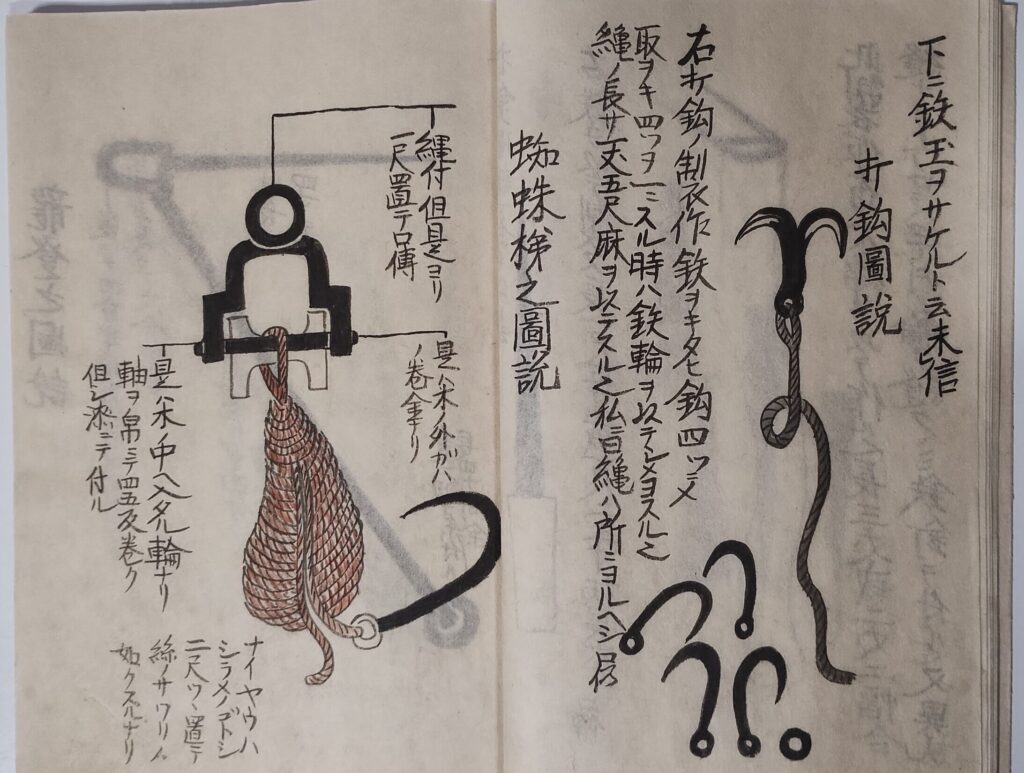
Bansenshukai Compilation
Compiled during the Edo period, the Bansenshukai became one of the most important surviving ninja manuals in Japanese history.
The text preserved knowledge related to espionage, infiltration, survival techniques, strategy, and intelligence operations practiced by shinobi traditions.
Sengoku Intelligence Networks
Throughout the Sengoku period, rival warlords relied heavily on intelligence networks to monitor enemy movements, alliances, and battlefield strategies.
Shinobi operated as scouts, infiltrators, messengers, and covert agents within these expanding systems of information warfare.
Battle of Sekigahara — The Final Stage of Ninja Operations
The Battle of Sekigahara in 1600 was the last great
conflict of the Sengoku period.
Tokugawa Ieyasu’s decisive victory unified Japan and
ended the era of constant civil war that had made
shinobi indispensable.
After this battle, ninja roles gradually transitioned
from active covert operations to formalized intelligence
and guard duties under the new shogunate.
Historical Ninja Manuals Through Time
Historical ninja manuals preserved the knowledge, philosophy, and intelligence methods used by shinobi during feudal Japan.
These texts recorded practical information related to espionage, infiltration, survival techniques, strategy, communication, and covert operations. Today, they remain some of the most important surviving historical sources connected to shinobi traditions.
Ninpiden
One of the earliest known ninja manuals, the Ninpiden contains teachings connected to espionage, covert movement, and practical shinobi philosophy.
The text reflects the growing importance of intelligence gathering and survival skills during Japan’s age of regional conflict.
Shoninki
Written during the Edo period, the Shoninki focuses heavily on mindset, patience, secrecy, and intelligence strategy rather than battlefield combat.
The manual explains how shinobi gathered information, adapted to dangerous situations, and operated discreetly within enemy territory.
Bansenshukai
Compiled in the 17th century, the Bansenshukai became one of the most comprehensive ninja manuals in Japanese history.
The text preserves detailed information about espionage methods, infiltration techniques, survival knowledge, strategy, tools, and covert operations practiced by shinobi traditions.
Together, these manuals reveal that historical shinobi relied less on fantasy combat and more on intelligence, adaptability, patience, and strategic thinking during periods of political instability and warfare.
The Rise of Shinobi Regions
Certain regions of feudal Japan became closely associated with the development of shinobi traditions, intelligence networks, and covert warfare.
Mountain geography, political instability, and regional cooperation helped create environments where espionage, infiltration, and survival skills could evolve over generations.
Among these regions, Iga and Koka became the most historically recognized centers of shinobi activity during the Sengoku period.
Iga Region
Located in modern Mie Prefecture, the Iga region became famous for its highly independent shinobi communities and difficult mountain terrain.
The isolated geography of Iga encouraged the development of survival skills, covert movement, guerrilla tactics, and intelligence gathering methods used during periods of regional warfare.
Iga shinobi later became widely known throughout Japan for their role in espionage and covert operations during the Sengoku era.
Koka Region
Koka (Kōga), located in modern Shiga Prefecture, developed sophisticated intelligence networks and strategic alliances during feudal Japan.
Koka shinobi were known for reconnaissance, infiltration, communication systems, and their close relationships with regional samurai and daimyo factions.
The region became one of the most influential centers of covert warfare in Japanese history.
Regional Shinobi Networks
Beyond Iga and Koka, covert operatives and intelligence specialists also existed throughout other parts of Japan during periods of conflict and political instability.
Regional shinobi networks often adapted to local geography, military needs, and political alliances, creating diverse methods of espionage, communication, and survival.
Mountain Geography & Survival
Mountainous terrain played an important role in the evolution of shinobi activity.
Remote valleys, forests, and hidden routes provided natural advantages for concealment, escape, and covert movement.
These environments helped shape many of the survival and infiltration techniques associated with historical ninja traditions.
Clan Cooperation & Intelligence Sharing
Shinobi groups often relied on cooperation between families, local communities, and regional networks during times of warfare.
Information sharing, covert communication, and strategic alliances allowed intelligence systems to function effectively across unstable regions of feudal Japan.
Why Shinobi Became Essential During the Sengoku Period
The Sengoku period was one of the most unstable eras in Japanese history. Rival daimyo fought continuously for territory, political influence, and military power across the country.
In this environment, information became just as valuable as battlefield strength. Intelligence gathering, covert communication, and reconnaissance became essential tools for survival during Japan’s age of civil war.
As warfare evolved, shinobi developed specialized skills that allowed them to operate secretly, gather strategic information, and support military operations beyond the battlefield.

Rather than acting as legendary assassins, historical ninja often specialized in espionage, reconnaissance, infiltration, survival, and communication.
Their ability to move unnoticed and gather strategic information made them highly effective in unstable regions where open warfare alone was not enough.
Shinobi networks developed alongside the political chaos of the Sengoku era, helping shape the intelligence systems and covert tactics used throughout feudal Japan.
Civil War & Political Chaos
The Sengoku period was marked by near-constant warfare between rival clans and daimyo. Political alliances shifted rapidly, territories changed hands frequently, and regional instability spread throughout Japan.
This atmosphere of uncertainty created strong demand for covert operatives capable of moving secretly, gathering intelligence, and monitoring enemy activity.
Intelligence Warfare
Military leaders increasingly relied on information networks to survive during the Sengoku era. Knowing enemy troop movements, supply routes, castle defenses, and political alliances often determined the outcome of conflict.
Shinobi became valuable because they specialized in espionage, reconnaissance, coded communication, and covert observation during periods of instability.
Daimyo Strategy
Powerful daimyo understood that victory depended not only on military strength, but also on strategic intelligence. Covert information allowed warlords to plan attacks, defend territory, anticipate enemy movements, and maintain political influence.
As regional warfare intensified, the role of shinobi became increasingly connected to broader military strategy.
Covert Operations
Historical ninja were not simply battlefield fighters. Many shinobi specialized in infiltration, secret communication, surveillance, escape methods, and covert movement behind enemy lines.
Their ability to adapt, remain hidden, and operate unnoticed made them highly effective during Japan’s era of civil war and political instability.
KEY POINTS
• civil war created demand for intelligence
• daimyo relied on covert information networks
• espionage became essential for survival
• infiltration supported military strategy
• shinobi adapted to unstable political conditions
Featured Ninja History Articles
Start with these essential articles to understand the history, key events, and major figures that shaped ninja culture during feudal Japan.
What Is a Ninja?
Discover the historical reality behind shinobi and how ninja operated as intelligence specialists during feudal Japan rather than mythical assassins.
Iga vs Koka Ninja
Explore the differences, similarities, and historical roles of Japan’s two most famous shinobi regions during the Sengoku period.
Ninja During the Sengoku Period
Learn how civil war and political instability transformed shinobi into valuable intelligence operatives during Japan’s age of conflict.
Ninja Espionage
Examine how shinobi gathered intelligence, observed enemy activity, and supported daimyo strategy through covert information networks.
Oda Nobunaga and the Iga War
Explore the conflict between Oda Nobunaga and the Iga region, one of the most significant events in ninja history.
Ninja Manuals Explained
Learn about historical ninja manuals such as the Bansenshukai, Shoninki, and Ninpiden, and how they preserved shinobi knowledge and strategy.
Frequently Asked Questions About Ninja History
Explore the Ninja Timeline by Category
Battles & Strongholds
Examine the conflicts, fortifications, and strategic locations that shaped ninja history.
Strategic Lineage
Follow the evolution of shinobi strategy, intelligence networks, and historical development.
Warlords & Clans
Discover the leaders, families, and organizations that influenced the course of ninja history.
Popular articles
-
Battle of Sekigahara: How Japan’s Greatest Battle Shaped Ninja History
-
Iga Ninja Timeline: The Rise and Legacy of Japan’s Most Famous Shinobi Clan
-
Hattori Hanzo: The Real Ninja Master Behind the Legend
-
Battle of Nagashino (1575): The Ninja Role in Oda Nobunaga’s Victory
-
Castles & Shinobi: A Defense and Infiltration Timeline
-
Hidden Paths: A History of Iga’s Secret Intelligence Routes