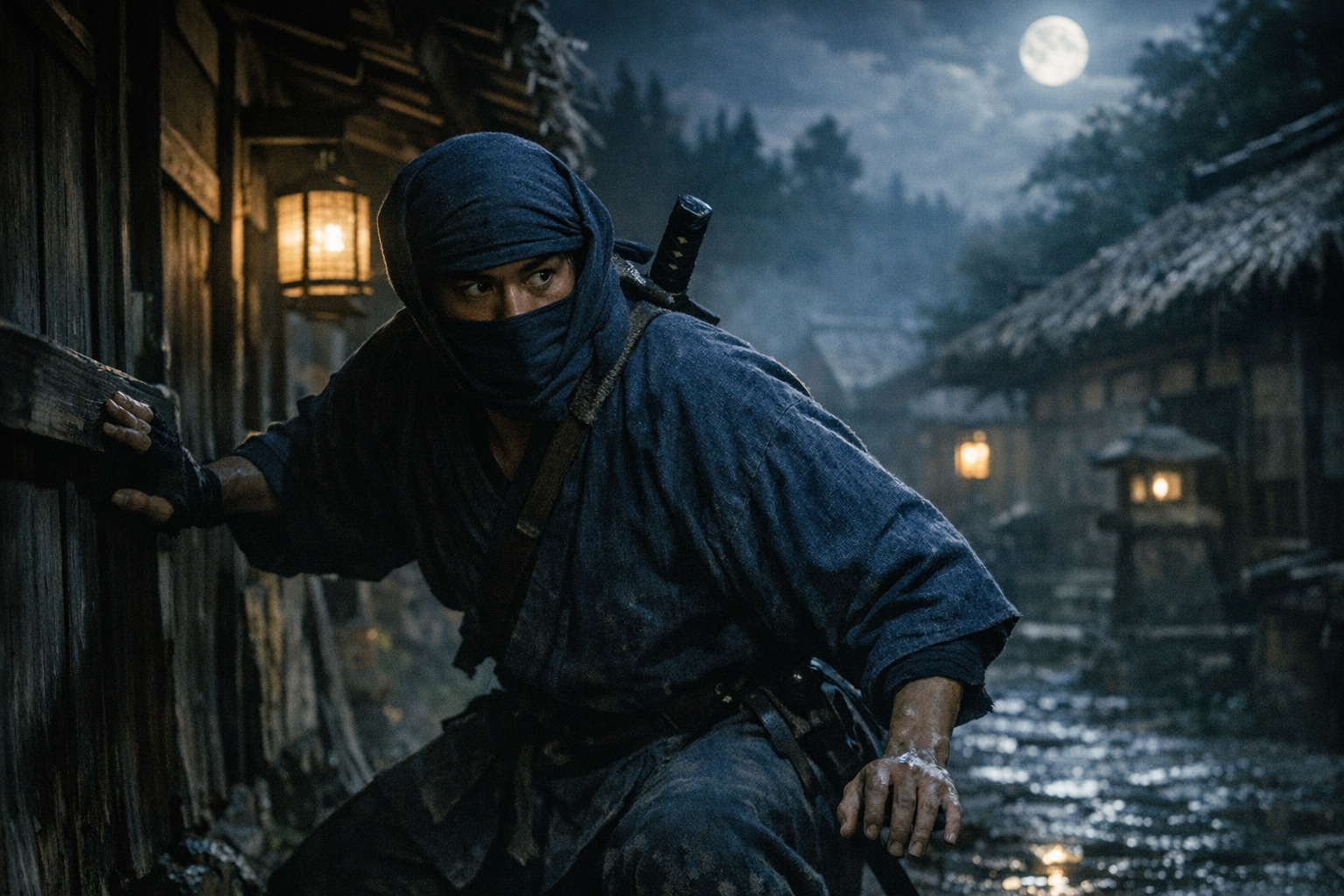
NINJA CULTURE
Ninja Culture: Philosophy and Reality
Beyond the myth, beyond the entertainment — discover the true philosophy, spirit, and cultural identity of Japan’s most mysterious historical figures.
The Four Pillars of Ninja Culture
Ninja culture can be understood through four interconnected dimensions.
🌿 Philosophical Roots
The spiritual beliefs, psychological mindset, and survival ethics that formed the foundation of the shinobi worldview.
From Shugendo mountain ascetics to the art of psychological warfare — ninja philosophy goes far beyond combat.
⚔️ Social Roles
How ninja operated within the complex social structures of feudal Japan — their clans, hierarchy, and relationships with warlords.
Understanding the social role of shinobi reveals why they became indispensable to Japanese history.
🎬 Modern Perception
From Edo-period theater to global anime franchises — how ninja culture transformed into one of the world’s most recognizable cultural phenomena.
Explore the gap between historical reality and modern myth.
🏯 Heritage & Sites
The museums, architecture, and regional traditions of Iga and Koka that preserve authentic shinobi culture for future generations.
Discover how ninja culture survives and evolves today.
Featured Ninja Culture Articles
Start with these essential articles to understand the philosophy, history, and modern relevance of ninja culture.
What Is Ninja Culture?
The essential introduction to ninja philosophy, myth, and cultural identity.
The Philosophy of the Ninja
Explore the survival ethics, psychological strategy, and mindset behind the real shinobi.
The Shinobi Code
Was there a ninja code of ethics? Discover the moral framework behind shinobi traditions.
Ninja Spirituality
Explore the connection between shinobi, Shugendo, and esoteric Buddhism.
Ninja Myth vs Reality
How legends were created — and what separates historical fact from modern fiction.
How Anime Transformed Ninja Culture
From historical shinobi to global pop icons — the transformation of the ninja image.

Explore by Theme
Philosophical Roots
The shinobi worldview was built on patience, endurance, and psychological mastery.
Far from the violent assassin of popular culture, the real ninja operated through intelligence, spiritual discipline, and strategic thinking shaped by Shugendo, esoteric Buddhism, and centuries of survival knowledge.
- The Philosophy of the Ninja: Survival, Adaptation, and Strategy
- Ninja Spirituality: Shugendo, Buddhism, and Esoteric Influence
- The Shinobi Code: Was There a Ninja Code of Ethics?
- Intelligence and Psychology in Ninja Culture
- Psychological Warfare in Shinobi Strategy
- Survival Thinking in Ninja Philosophy
Social Roles
Ninja did not exist in isolation.
They were embedded within the complex social structures of feudal Japan — serving warlords, operating within clan networks, and adapting their roles to the political realities of the Sengoku period.
Modern Perception
The ninja we know today is largely a creation of modern storytelling.
From Edo-period kabuki theater to Hollywood films and global anime franchises, each era has reshaped the ninja image — amplifying certain traits while obscuring the historical reality.
Understanding this transformation is key to appreciating both the real and the legendary shinobi.
- How Anime and Movies Transformed Ninja Culture
- Ninja Myth vs Reality: How Legends Were Created
- From Shinobi to Superhero: The Global Ninja Image
- The Evolution of Ninja Myth in Modern Japan
- Ninja Culture in Modern Japan: Tourism and Identity
- The Commercialization of Ninja Culture in Japan
- Ninja in Modern Education and Japanese Identity
- Historical vs Fictional Ninja: Cultural Gaps
- Why Ninjas Became Symbols of Mystery in Pop Culture
- How Ninja Became a Global Cultural Icon
Heritage & Sites
The living legacy of ninja culture can be found in the mountains of Iga and Koka — in museums, traditional architecture, and regional festivals that preserve shinobi traditions for future generations.
Japan remains the only place in the world where authentic ninja heritage can be directly experienced.
- Iga Ninja Culture: The Birthplace of the Shinobi Identity
- Koka Ninja Tradition and Its Cultural Legacy
- Iga and Koka: The Cultural Heart of the Shinobi World
- Ninja Houses and Cultural Architecture in Japan
- Ninja Museums and Cultural Preservation in Japan
- Ninja as Cultural Heritage: Preservation and Reinvention]
Frequently Asked Questions About Ninja Culture
Key Terms in Ninja Culture
Learn the meaning of historical ninja terms, techniques, and cultural concepts.
Basic Terms:
Skills & Techniques:
Explore Ninja Culture by Category
Heritage & Sites
Discover the places, traditions, and cultural legacies that continue to preserve the memory of the shinobi.
Modern Perception
Explore how ninja are viewed, interpreted, and represented in the modern world.
Philosophical Roots
Examine the ideas, values, and ways of thinking that helped shape the ninja tradition.
Social Roles
Learn how shinobi functioned within communities, political systems, and regional networks throughout history.
Popular articles
Begin Exploring Ninja Culture
Discover the philosophy, psychology, spirituality, and cultural identity behind Japan’s most mysterious historical figures.