Ninja History: The True Origins of Japan’s Shadow Warriors
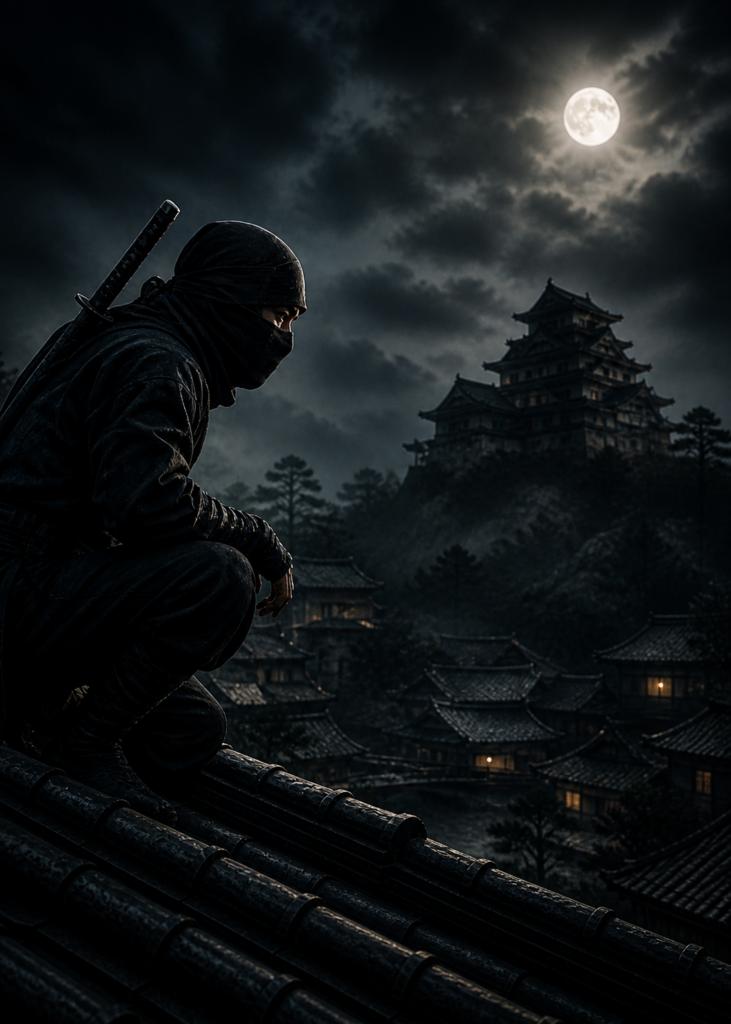
NINJA HISTORY
Discover the real history of ninja in Japan
beyond myths, anime, and movies.
Ninja History — Discover the real history of Japan’s shinobi, their clans, missions, and evolution.
This category explores the documented origins of the ninja, from the Iga and Koka regions to their role in espionage, survival, and unconventional warfare.
Learn about famous historical shinobi, the political landscapes they navigated, and how their techniques developed over centuries.
Each article is grounded in historical research, offering a clear distinction between authentic shinobi practices and later fictional interpretations.
If you want to understand who the ninja truly were, this is your starting point.
Introduction: The Truth Behind the Ninja Myth
When people hear the word “ninja,” they often imagine black-clad warriors with supernatural abilities.
However, the historical reality is very different.
Ninja—known in Japan as shinobi—were specialists in:
- espionage
- infiltration
- sabotage
- psychological warfare
They were not warriors of open battle, but masters of hidden strategy and survival intelligence.
What Does “Ninja” Really Mean?
The word ninja (忍者) comes from:
- 忍 (nin): endurance, patience, concealment
- 者 (sha): person
Meaning: a person who endures in secrecy
Historically, they were called shinobi no mono.
> Learn more: Real Ninja
The Origins of Ninja in Feudal Japan
The roots of ninja culture trace back to early feudal Japan, but their development peaked during the Sengoku period (1467–1615).
During constant warfare, daimyo required:
- intelligence gathering
- infiltration of enemy territory
- sabotage of supply lines
This demand gave rise to specialized covert operatives: the ninja.
> Related: Ninja Weapons
Iga and Koka: The Birthplace of Ninja Culture


Two regions became the heart of ninja development:
Iga (Mie Prefecture)
- Mountainous terrain
- Independent clans
- Survival-based tactics
Koka (Shiga Prefecture)
- Organized intelligence networks
- Cooperation with samurai forces
- Tactical flexibility
> Explore travel sites: Ninja Destinations
What Did Real Ninja Actually Do?
Real ninja were not assassins in the modern sense.
Ninja were not fantasy assassins.
They were strategic intelligence operatives who shaped the hidden side of Japanese warfare.
Their missions included:
- gathering intelligence
- infiltrating enemy castles
- sabotaging infrastructure
- spreading misinformation
Their greatest strength was not combat, but information control.
> See full profile: Real Ninja
Ninja vs Samurai
| Samurai | Ninja |
|---|---|
| Open combat | Stealth operations |
| Honor-based | Mission-based |
| Public identity | Hidden identity |
They were not always enemies—many ninja worked under samurai command.
👉 Weapons comparison: Ninja Weapons
The Fall of the Ninja
The unification of Japan in the late 16th century changed warfare forever.
Key events:
- 1581: Destruction of Iga resistance
- Centralized military control
- Decline of independent covert groups
During the peaceful Edo period, ninja roles gradually disappeared.
Ninja Myths vs Historical Facts
Myth:
Ninja wore black suits and fought in darkness
Reality:
They wore everyday clothing to blend into society
Myth:
Ninja had supernatural powers
Reality:
They relied on intelligence, timing, and strategy
Myth:
Ninja were lone assassins
Reality:
They operated in organized networks
Legacy of the Shinobi Spirit
Even after their disappearance as a profession, ninja philosophy remains influential.
The shinobi spirit represents:
- adaptability
- patience
- strategic thinking
- survival intelligence
These principles remain relevant in modern life and business strategy.
> Explore modern culture: Hero Ninja
Related Ninja Articles
Explore deeper into ninja culture:
- Real Ninja: The Truth Behind Shinobi
- Ninja Weapons: Complete Guide
- Ninja Destinations in Japan
- Hero Ninja in Pop Culture
Start Your Ninja Journey
Choose your path:
> Understand real history → Real Ninja
> Learn tools and tactics → Ninja Weapons
> Experience Japan → Ninja Destinations
Popular articles
Discover the Real Ninja Behind the Myth
Ninja History
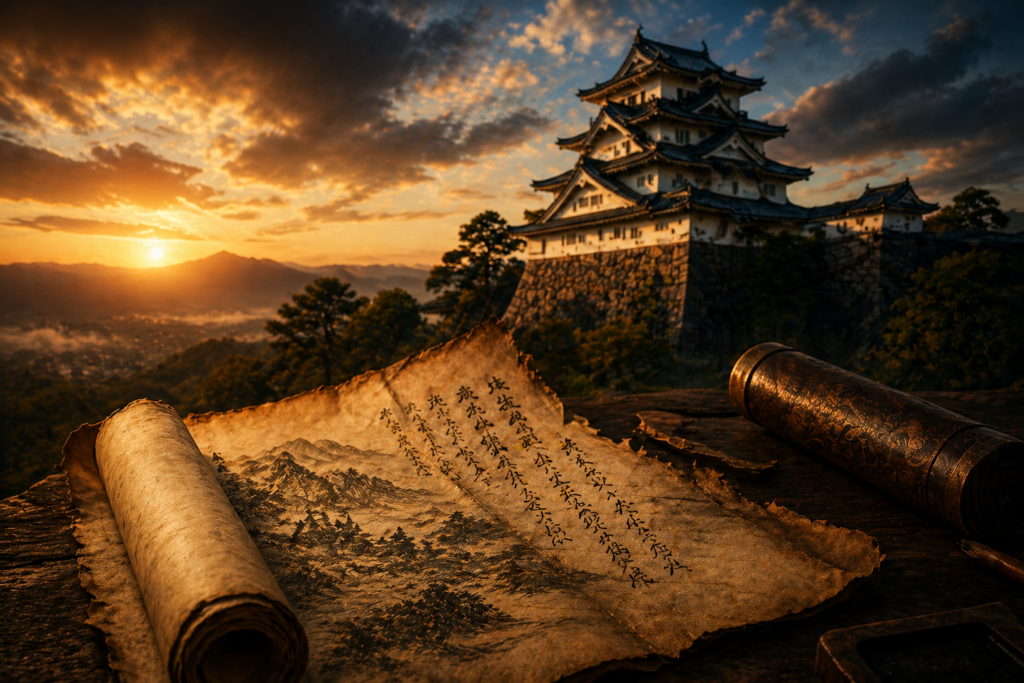
Discover the real story behind Japan’s legendary shinobi.
Ninja Gear
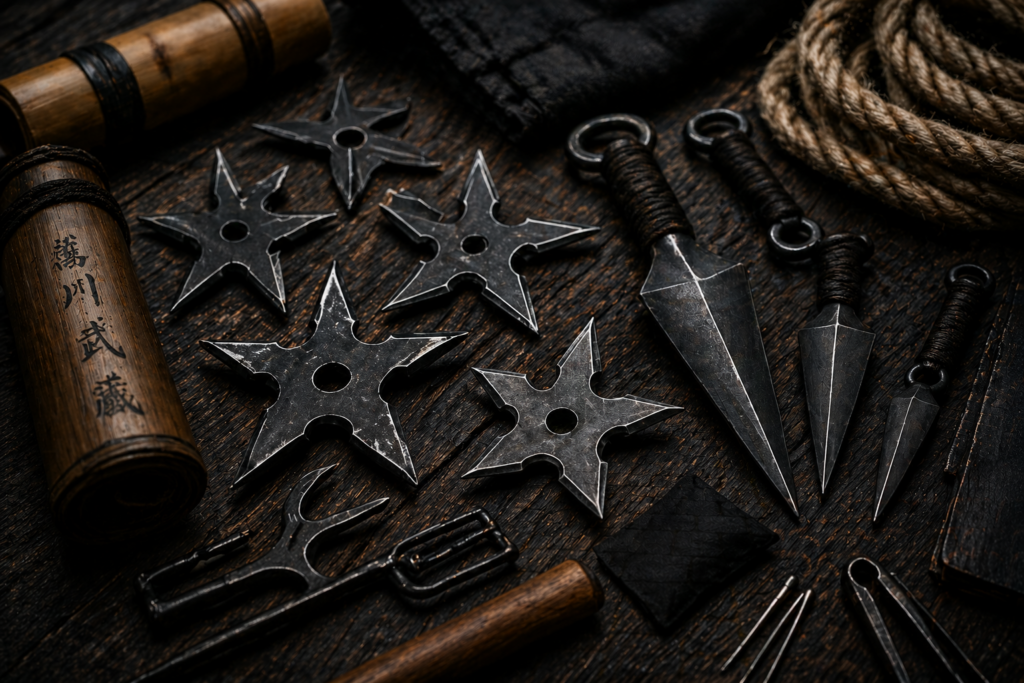
Learn how real ninja tools were truly used.
Ninja Travel
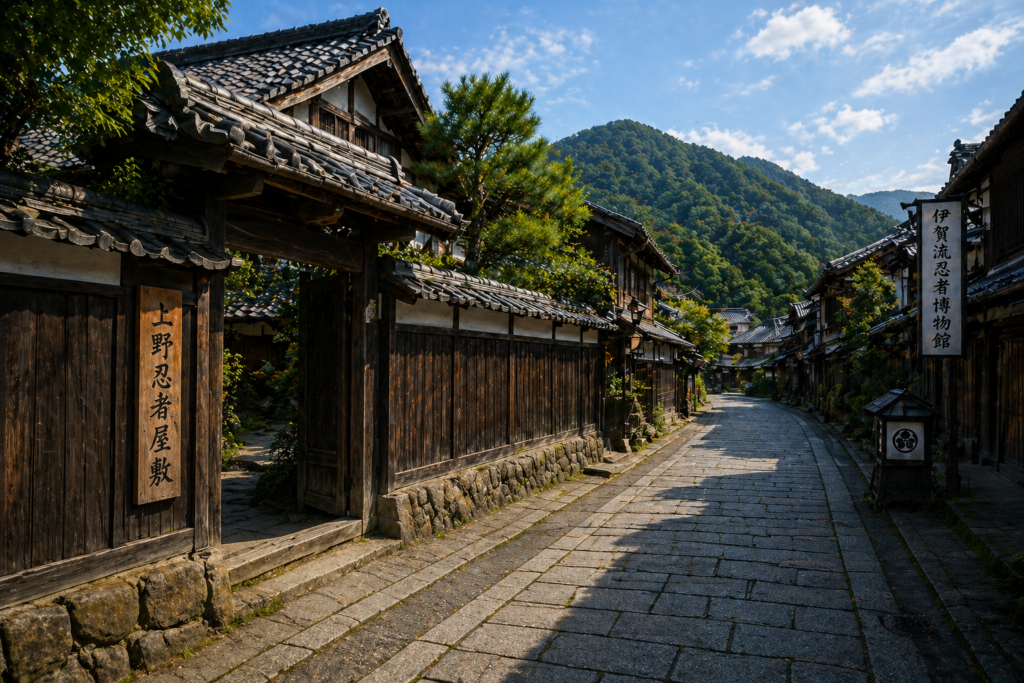
Visit the sacred lands of Iga, Koga, and hidden Japan.
Ninja Culture
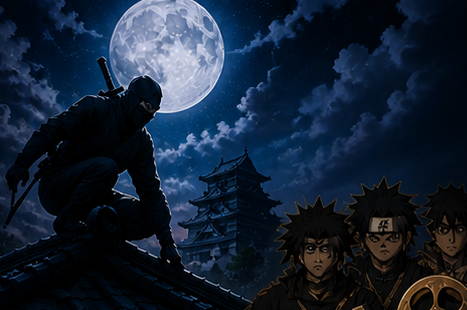
Explore how movies and anime shaped the ninja myth.
Explore the World of Real Ninja
Choose your path into history, tools, travel, and culture.
Ninja Glossary Categories Structure
REAL NINJA
Discover the historical truth behind Japan’s shinobi.
HERO NINJA
Explore anime, movies, and legendary ninja fiction.
WEAPONS
Learn how real ninja tools were actually used.
DESTINATIONS
Visit the real locations connected to ninja history.
Basic Ninja & Culture
Ninjutsu & Tactical Skills
- Kuji-Kiri
- Onshin-jutsu
- Intonjutsu
- Suiton-jutsu
- Katon-jutsu
- Hensojutsu
- Kayakujutsu
- Ninja Training
- Suppa
- Rappa